Vehicle Protection
Applying protection to a vehicle makes future maintenance easier and provides a sacrificial barrier against the elements. We offer realistic advice on the types of protection available.
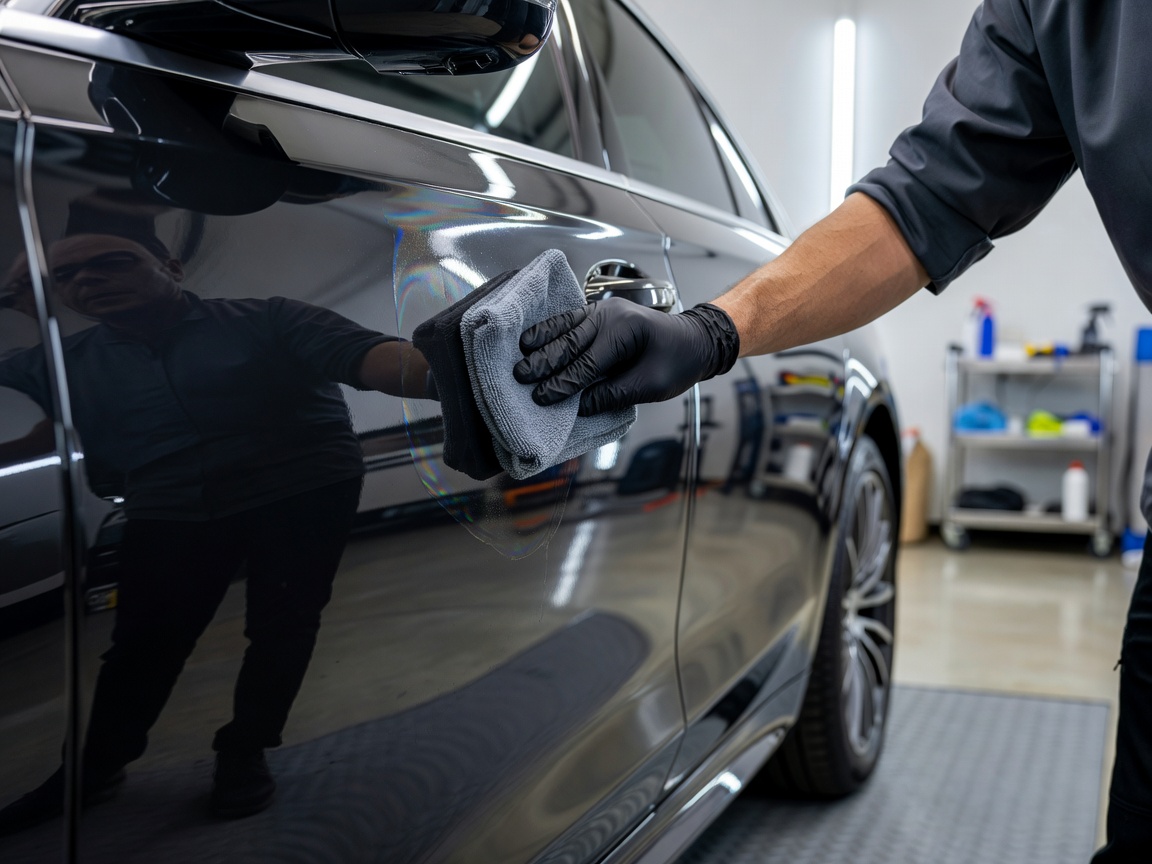
Understanding Ceramics
Ceramic coatings are liquid polymers that chemically bond with the factory clear coat. They provide a harder, longer-lasting barrier than traditional waxes.
Important Note: Ceramic coatings are not permanent. They will not prevent stone chips, they will not stop deep scratches, and they require regular, careful washing to maintain their hydrophobic (water-repelling) properties.
Durability depends heavily on:
- - Thorough paint preparation beforehand
- - The specific product applied
- - Vehicle mileage and usage
- - Weather exposure and storage (garage vs. street)
- - Adherence to safe washing routines
Protection Options Explained
Traditional Waxes
Often carnauba-based. Provides a warm glow to the paint. Generally offers the shortest durability (weeks to a few months) but is easiest to apply.
Polymer Sealants
Synthetic alternatives to wax. They offer stronger resistance to heat and detergents, usually lasting several months. Good for seasonal protection.
Ceramic Coatings
Long-term protection requiring meticulous paint preparation. Can last a year or more, providing excellent chemical resistance and making cleaning significantly easier when properly maintained.