Exterior Wash
A safe exterior wash is the fundamental step in proper vehicle care. Improper washing is the leading cause of swirl marks and dull paintwork. We outline cautious, methodical cleaning processes.
The Pre-Wash Stage
Before any physical contact is made with the vehicle's paintwork, loose dirt must be removed. This is especially important considering UK motorway grime and winter road salt.
- Citrus Pre-Cleaners: Applied to lower halves to help break down heavy traffic film.
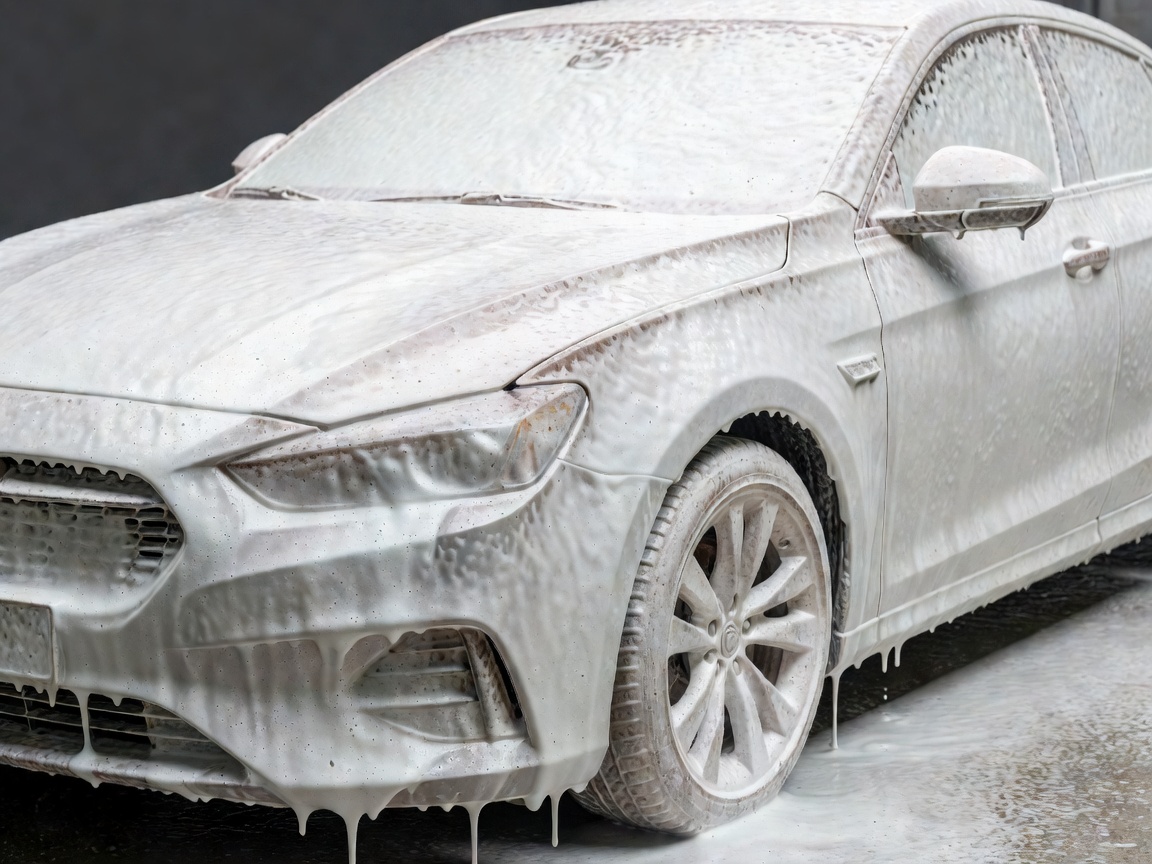
- Snow Foam: A thick foam blanket applied via pressure washer to encapsulate and safely draw dirt off the surface as it dwells.
- Rinsing: Thorough high-pressure rinsing to clear the softened debris.
The Contact Wash
We advocate for the multi-bucket method to separate clean wash solution from dirty rinse water, significantly reducing the chance of dragging grit across the clear coat.
Using deep-pile microfibre or synthetic wool wash mitts allows any remaining dirt to be drawn into the pile away from the paint surface.
Wheels & Arches
Wheels are often the dirtiest part of a vehicle, accumulating brake dust and road tar. They require dedicated tools and chemicals separate from the main bodywork wash.
Alloy Cleaning
Using non-acidic, active wheel cleaners to safely break down stubborn brake dust without degrading wheel finishes or sensitive braking components.
Dedicated Tools
Utilising soft bristle brushes for wheel faces and specialized barrel brushes to reach the rear of the wheel without scratching.
Wheel Arches
Flushing out mud and debris from plastic arch liners using high pressure and dedicated all-purpose cleaners.
Safe Drying Techniques
Drying is a critical stage where wash-marring often occurs. Using an old leather chamois can drag microscopic dirt across the paint.
Safe drying involves using plush, high-GSM microfibre drying towels that absorb water rapidly. In detailing environments, forced warm air blowers are also used to chase water out of panel gaps, grilles, and mirror housings to prevent annoying water drips later.